

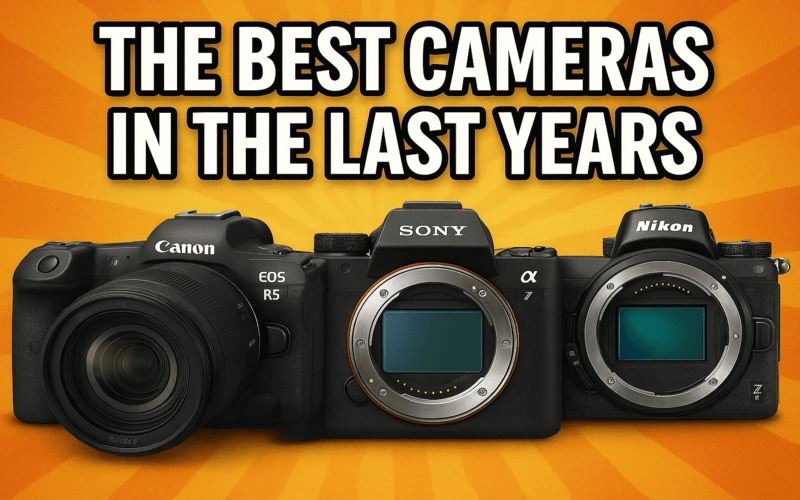
Cameras for Photography & Video have come a long way, offering creators powerful tools to capture stunning images and cinematic footage in one device. Whether you’re a professional filmmaker, a passionate photographer, or a content creator building your online presence, the right camera combined with beginner photography tips can transform your work.
In this guide, we compare the top models, break down their key features, and help you choose the perfect option for your needs so you can focus on creating, not just searching.
Beginner Photography Tips
Image Quality & Sensor Performance
In Cameras for Photography & Video, the sensor is the key to capturing sharp, vibrant images and high-quality footage.
- Sensor Size: Larger sensors like full-frame capture more light, giving better low-light performance and a natural background blur. APS-C offers a balance of quality and portability, while Micro Four Thirds is the most compact.
- Resolution: More megapixels mean more detail, but 24–45MP is ideal for most creators, balancing quality and performance.
- Dynamic Range: A wide dynamic range helps keep detail in bright skies and dark shadows, perfect for high-contrast scenes.
- Low-Light Ability: Cameras with strong high-ISO performance keep images clean and clear in dim settings.
The best Cameras for Photography & Video combine a quality sensor, balanced resolution, and good low-light results so you can produce professional-looking content in any environment.


Video Capabilities
For Cameras for Photography & Video, video quality is just as important as stills. Look for 4K or 8K recording, high frame rates for slow motion, and clean footage in low light. Reliable autofocus, good audio inputs, and strong in-body stabilization make a huge difference for creators.


Autofocus Speed & Accuracy
Fast, precise autofocus is key for Cameras for Photography & Video, especially when tracking moving subjects. The best systems offer eye, face, and subject detection for people, animals, and vehicles, working smoothly in both photo and video modes.


Stabilization (IBIS & Lens-based)
Stabilization keeps photos sharp and videos smooth. In-body image stabilization (IBIS) works with lens-based stabilization to reduce shake, making handheld shooting easier for Cameras for Photography & Video.
Burst Shooting & Shutter Performance
For action, wildlife, or sports, Cameras for Photography & Video with high burst rates (10–30fps) capture every moment. Silent shutters are also great for weddings or events where noise can be distracting.
Build Quality & Weather Sealing
A durable body with weather sealing lets you use Cameras for Photography & Video in rain, dust, and extreme conditions. Magnesium alloy frames add strength without excessive weight.
Portability & Ergonomics
The best camera is one you’ll actually carry. Compact designs, comfortable grips, and intuitive controls make Cameras for Photography & Video more enjoyable for long shoots or travel.
Lens Compatibility & Ecosystem
A great camera system grows with you. Cameras for Photography & Video should have a wide choice of lenses—native or third-party—covering everything from wide angles to super telephotos.

Battery Life & Power Options
Long battery life means fewer interruptions. Many Cameras for Photography & Video now support USB-C charging or battery grips for extended shoots, ideal for travel or events.
Connectivity & Workflow Features
Wi-Fi, Bluetooth, and USB-C help Cameras for Photography & Video transfer files quickly and connect to editing apps or livestreams. Dual card slots are also essential for backups.
Pros & Cons Table
A quick pros and cons table helps readers compare Cameras for Photography & Video at a glance. Include strengths like image quality or battery life, and drawbacks like weight or price.
| Camera Model | Pros | Cons |
|---|---|---|
| Sony A7 IV | Excellent image/video quality, AF, lens ecosystem | 4K slight crop, average battery |
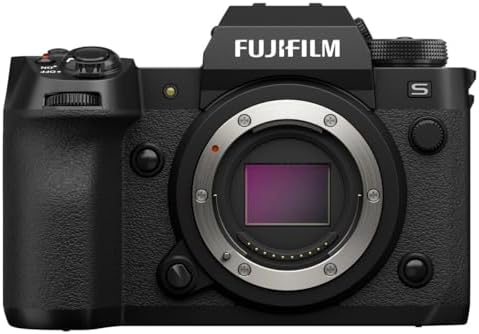
| Fujifilm X-H2s | Stacked sensor, fast burst, strong video features | APS-C, smaller lens range |
| Nikon Z6 III | Great hybrid quality, ProRes, strong ergonomics | Less dynamic range than full-frame |
Final Buying Guide & Recommendations
To choose the right Cameras for Photography & Video, decide what matters most—image quality, video features, portability, or price. Then pick the model that balances those priorities for your shooting style.
📷 Image idea: Lifestyle shot of someone using the recommended camera.
Conclusion
Choosing the right Cameras for Photography & Video comes down to understanding your needs and matching them to the right features. Whether you prioritize top-tier image quality, advanced video options, portability, or budget-friendly value, there’s a camera that fits your creative style.
Take time to compare sensor performance, autofocus speed, stabilization, and lens options before making a decision. Remember—your camera is an investment in your craft. The right choice will not only improve your content but also make the process more enjoyable and efficient.
In the end, the best Cameras for Photography & Video are the ones that inspire you to create more, explore new possibilities, and bring your vision to life—one frame at a time.